

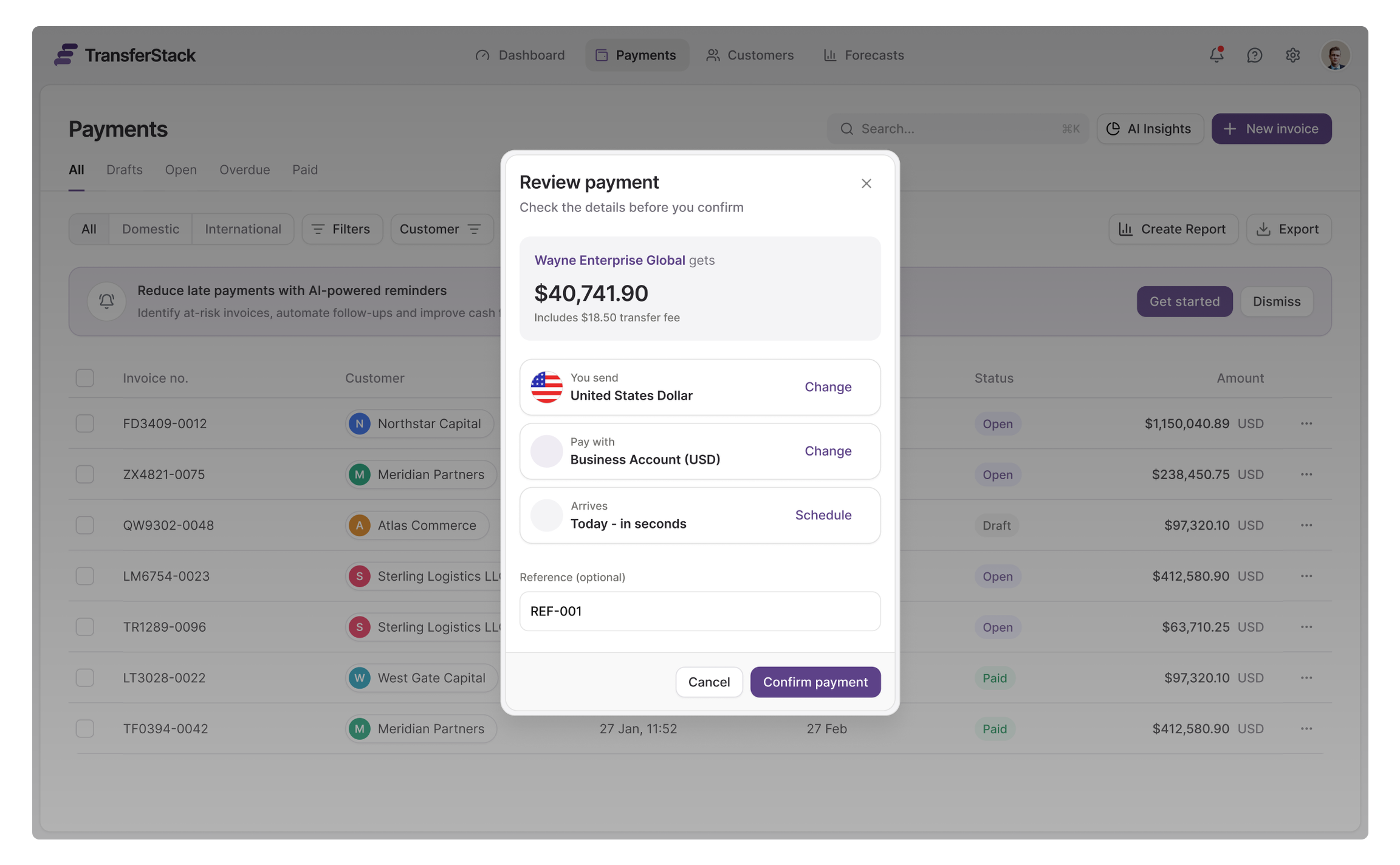
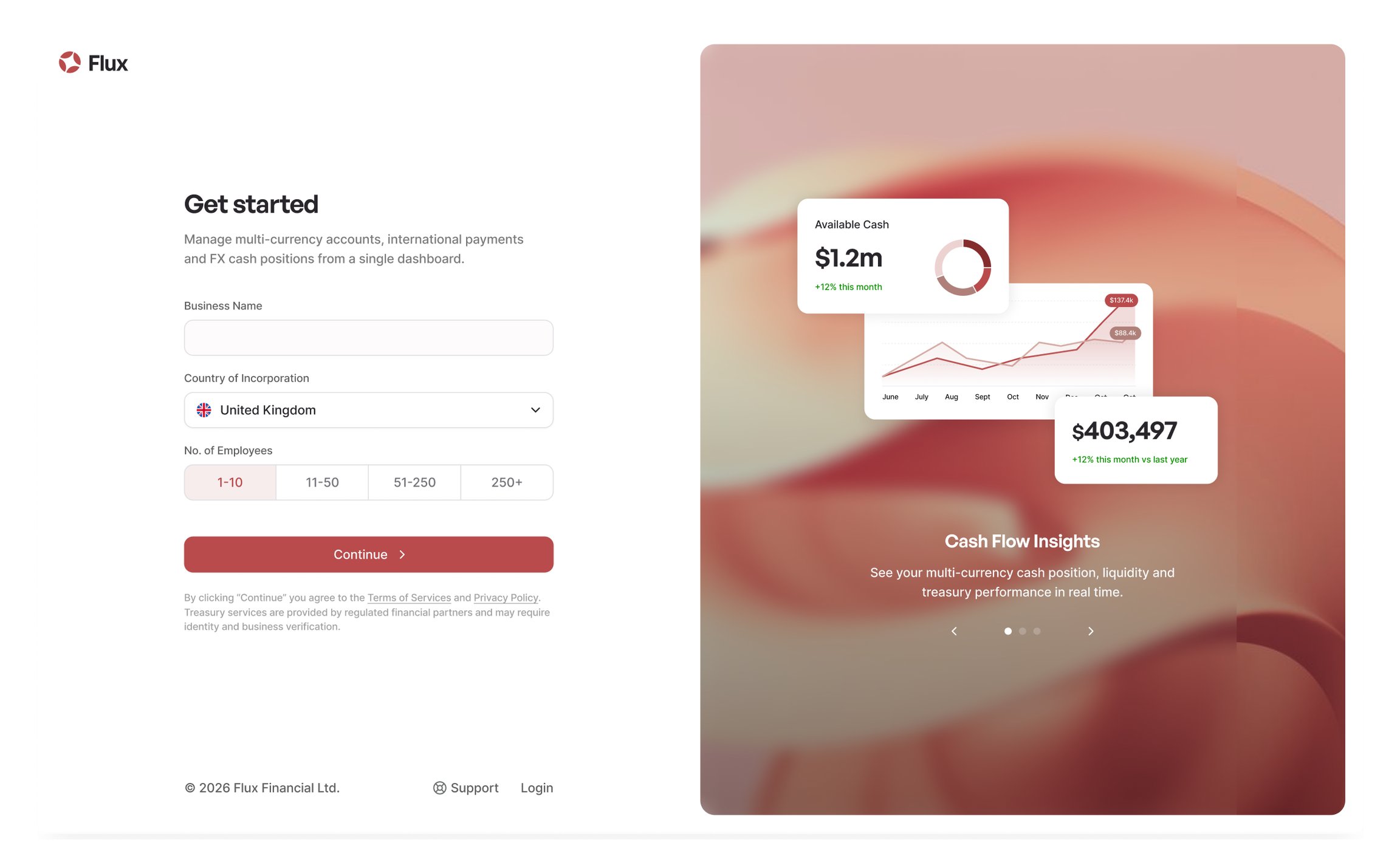
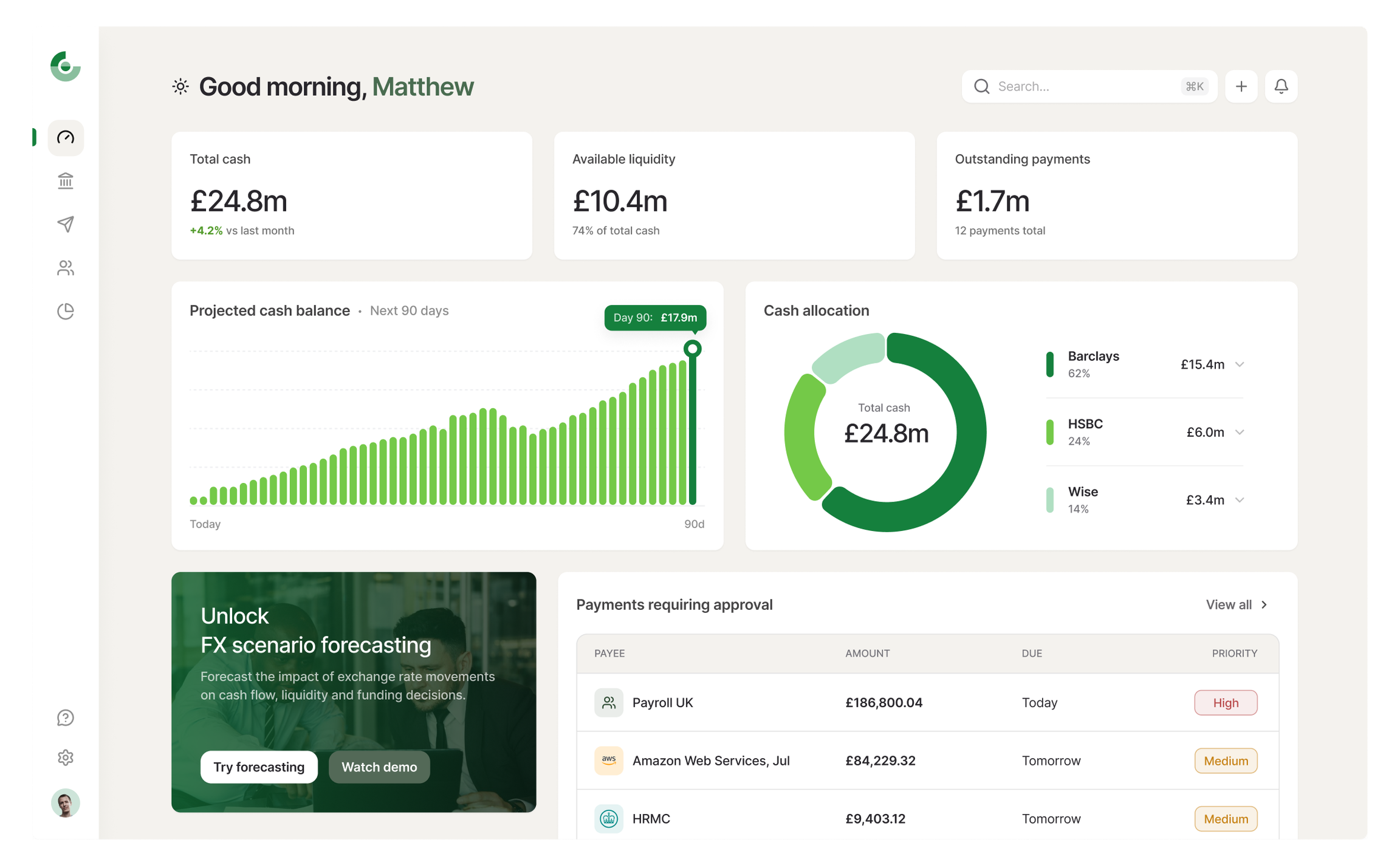
Clarity on what to build
Knowing which features to prioritise and which to not, is the hard part. That's the judgement call we have years of experience with.
Onyx is a founder-led studio for funded software teams. We deliver designs as working code, so your team ships faster with less rework.
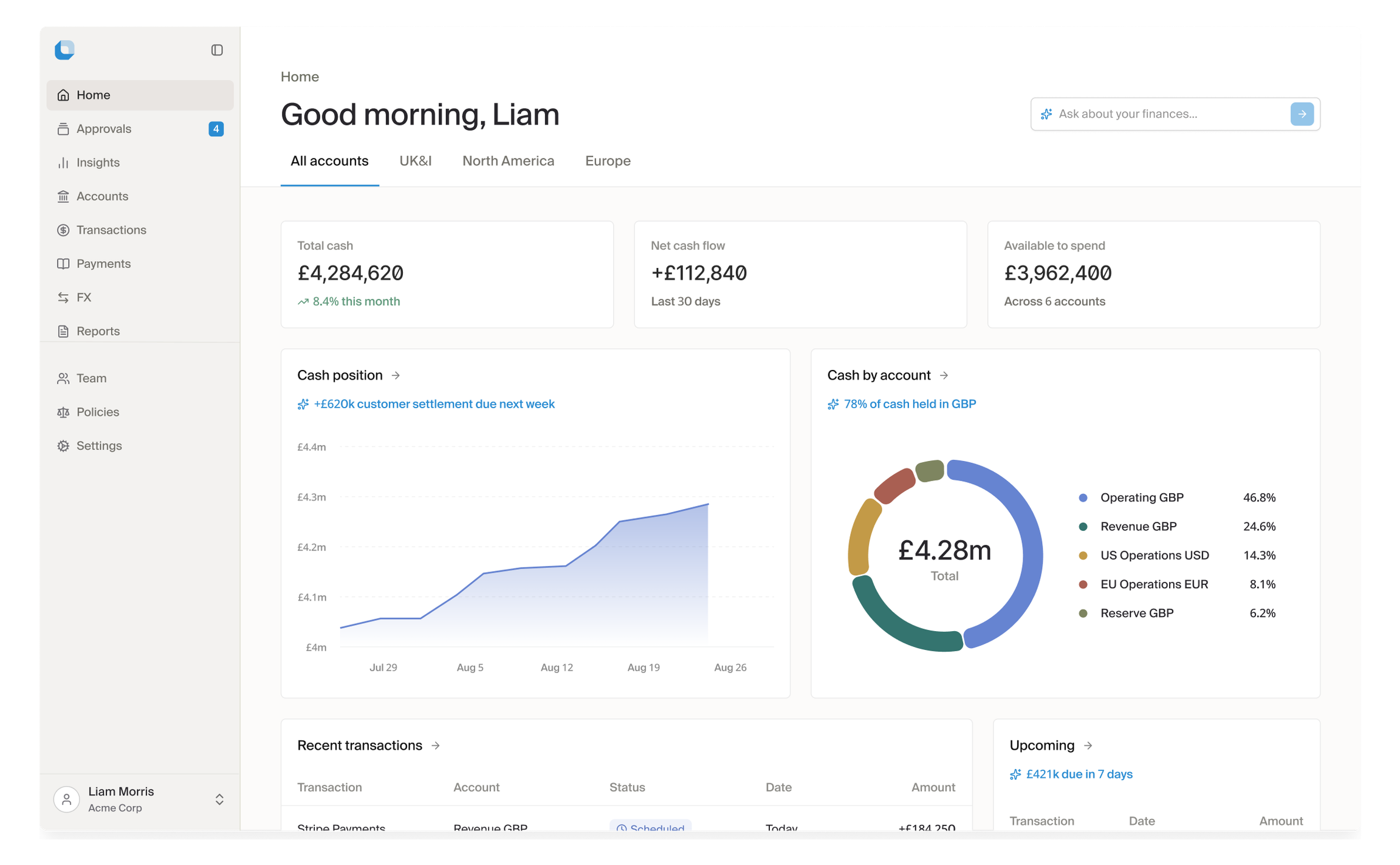
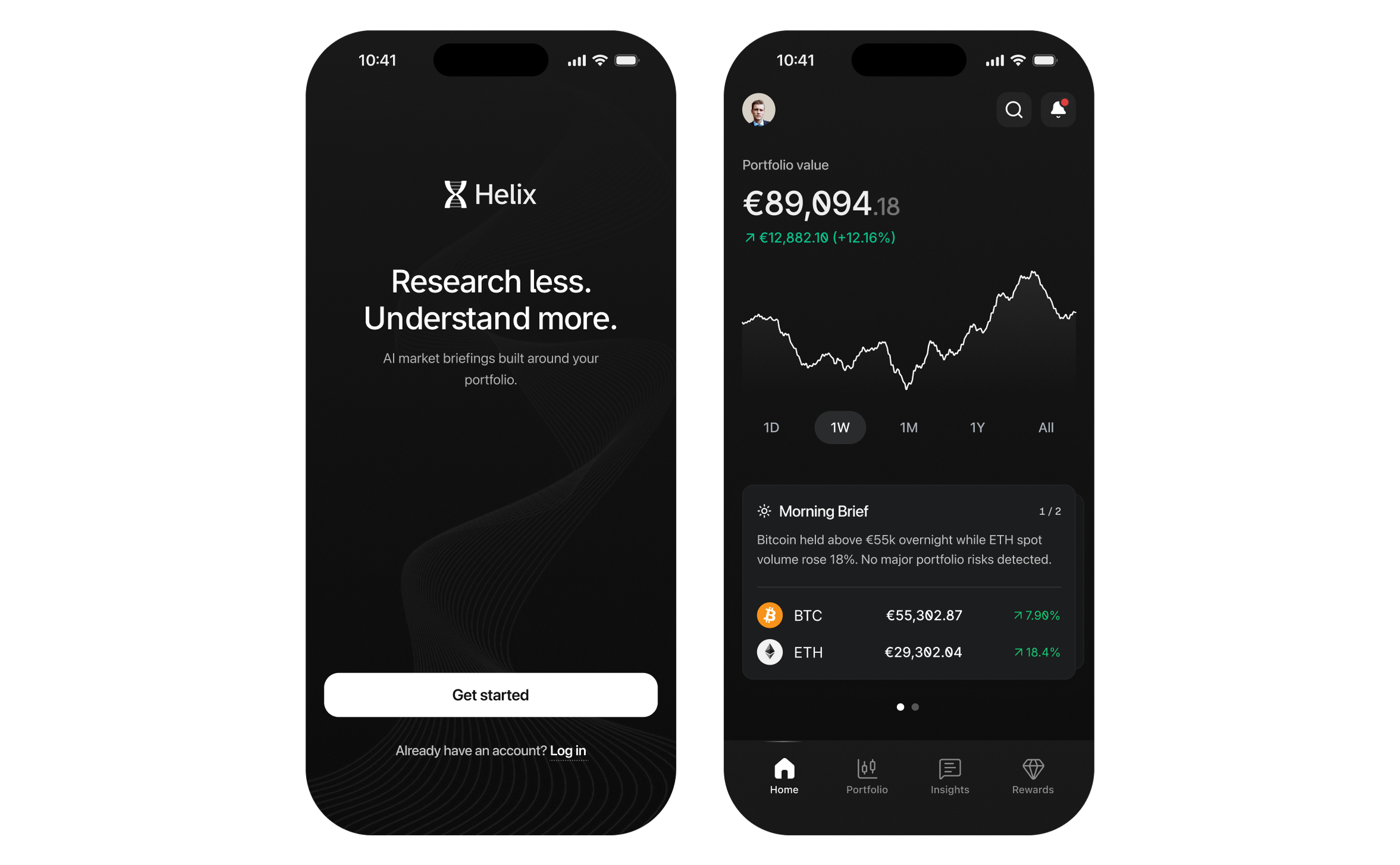
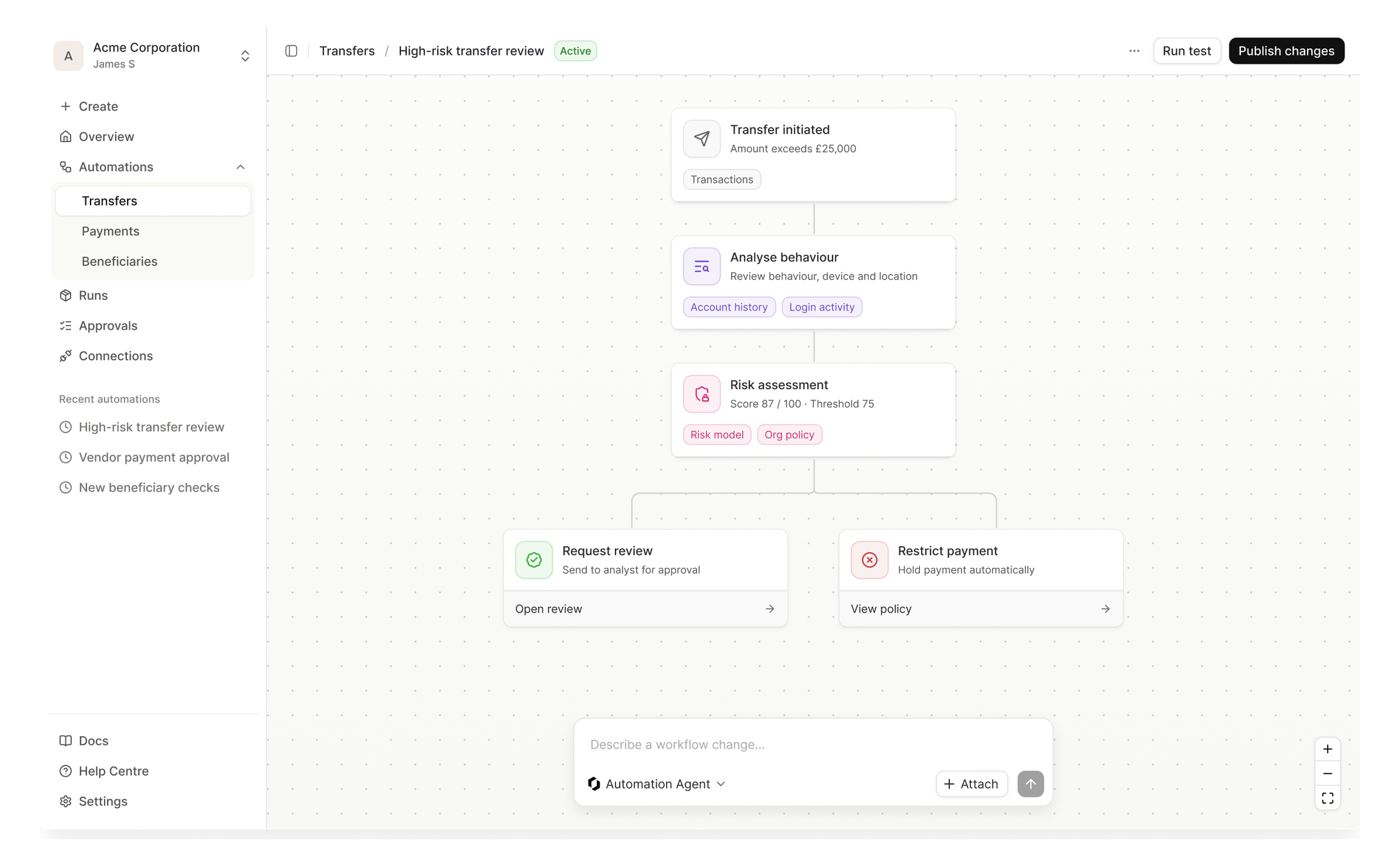
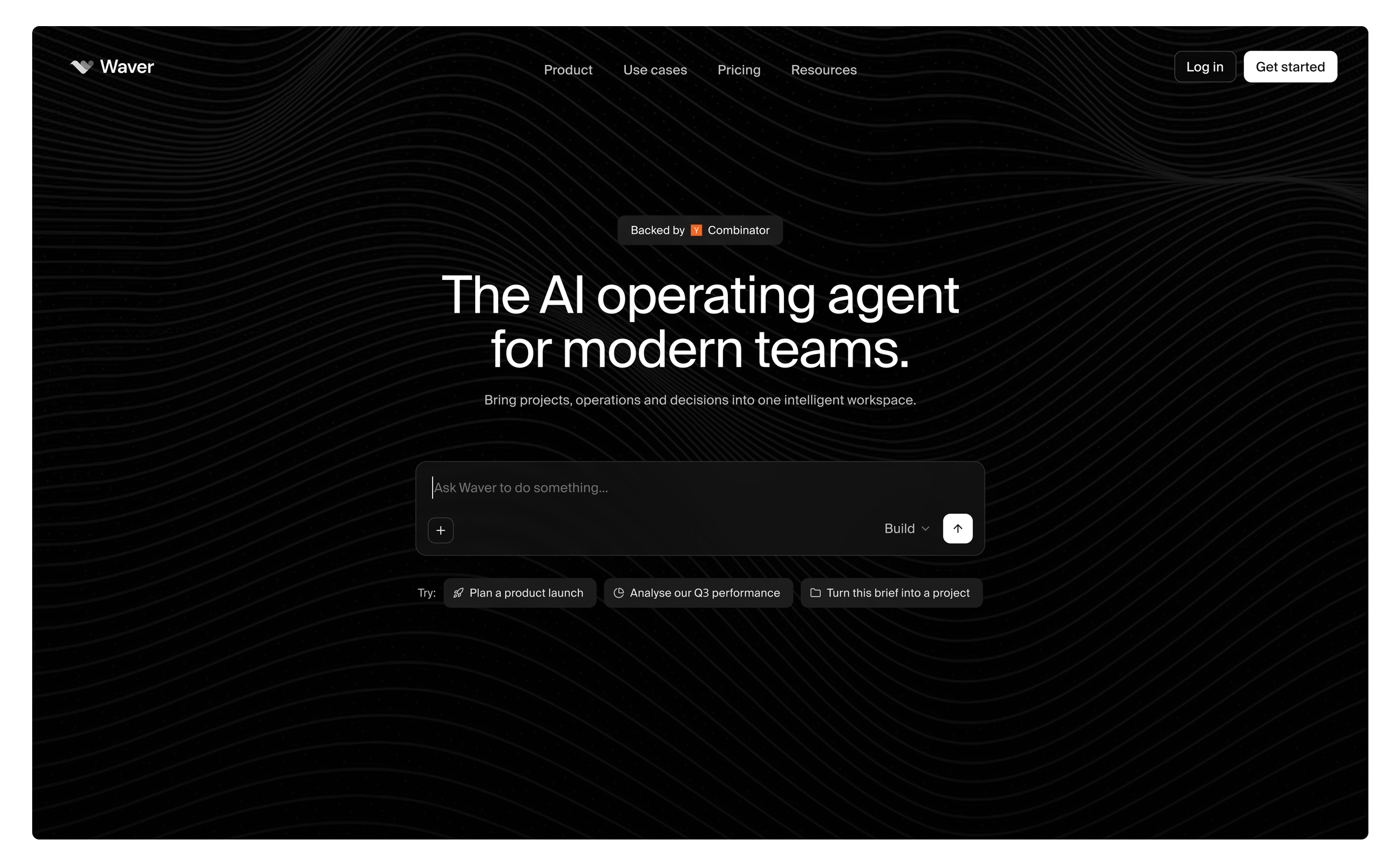
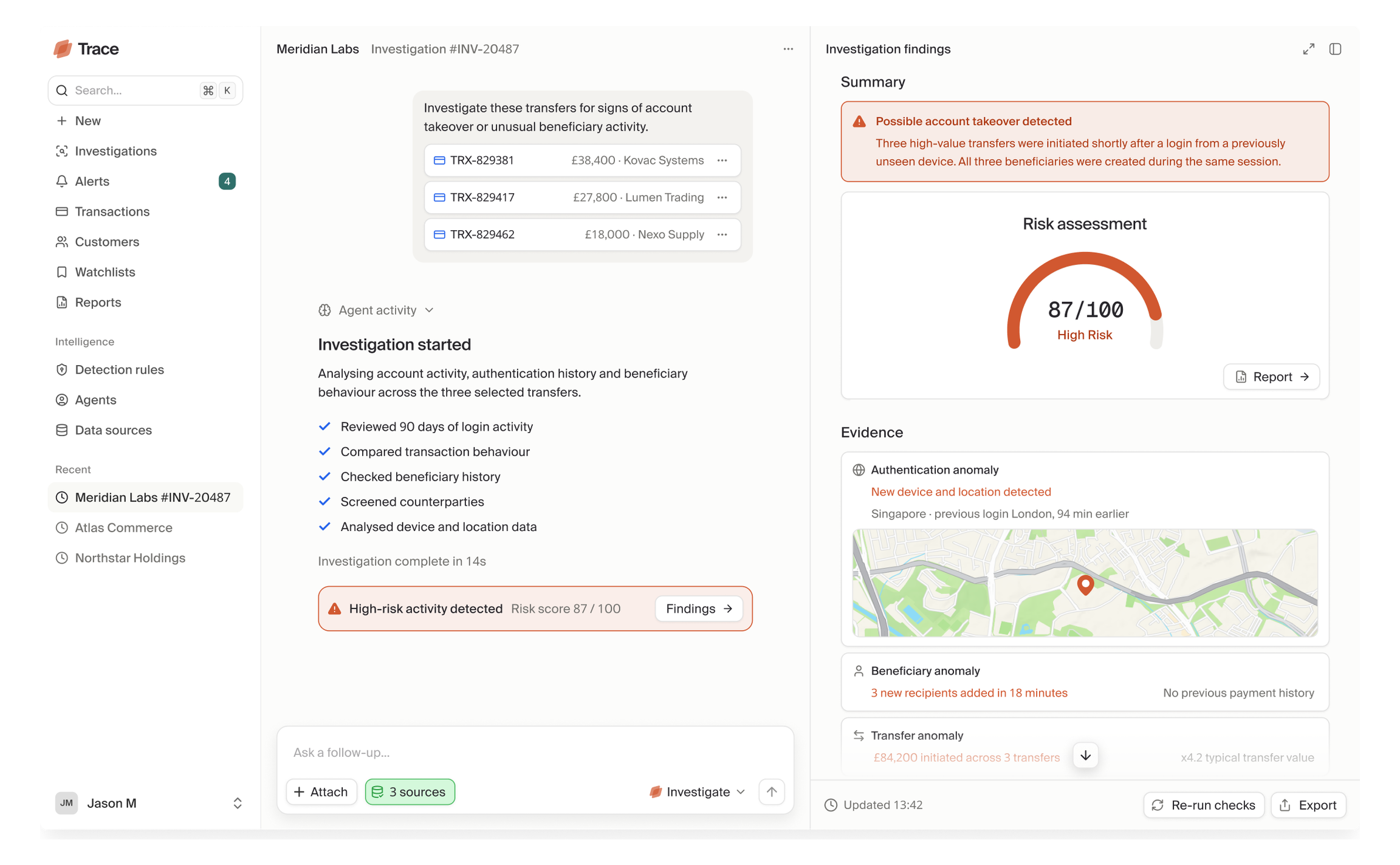
All our designs are built in working code, so your developers can ship faster and focus on the engineering that matters. See a live example below, designed in Figma and built in React.
Knowing which features to prioritise and which to not, is the hard part. That's the judgement call we have years of experience with.
We handover working prototypes built in code, not a Figma file your engineers must build from scratch. Faster development, and less rework.
End-to-end product design delivered in close collaboration and handed over in weeks. Faster than you can onboard your first design hire.
Full service product design delivered through focused 4–6 week design sprints, with clear scope, timelines and pricing from the outset.
Turn a concept or idea into a lean, functioning product you can launch to market quickly.
Professionalise an existing early-stage or AI-built product, under a defined scope.
A focused sprint designed to extend or improve an existing product and accelerate growth.


After more than a decade working in London’s tech industry delivering for high growth startups and tier 1 banks, I’ve seen the same two problems repeatedly slow early-stage teams down.
The first is capacity. A team raises, grows, or commits to a big deadline, and suddenly the product needs more design depth than it has in-house. A full-time hire is often the right long-term move, but finding and onboarding quality designers takes months the roadmap doesn't have.
The second shows up when design hits development. Engineers are there to ship reliable software, not to recreate every detail of a Figma file. Fair enough. But over time that gap becomes design drift, UI defects, and avoidable rework.
Onyx exists to close both gaps. Product design when you need it, then a design-to-code workflow that hands your engineers something to build from, not interpret.






Hiring the right designer takes months of interviews, offers and onboarding. Onyx delivers product design in weeks — same quality bar, no hiring risk, no ramp time. You get momentum now, and can hire full-time later once the foundations are in place.
Somewhat. We build our prototypes in code, so your engineers can carry over some of the frontend development instead of coding from scratch. Your engineers then connect it to live data and production systems, and handle testing, security and deployment. This modern design-to-code workflow lets engineers ship faster, reduces bugs during QA, and keeps the product closer to the original design than static Figma designs alone.
Yes. AI-built products get you moving fast, but they eventually need product depth, consistency and edge-case handling before they can scale. We take what you've built and turn it into a coherent, credible product without starting over.
Yes. If you have one, we design within it and extend it where the product needs it. If it's incomplete or drifting from the product, we can rebuild the core as part of the Sprint. We can also recommend specific libraries where they save real time, like charting, which often takes engineering weeks to build from scratch.
You'll work directly with Liam Morris, our founder and design lead, not an account manager or unknown junior designer. Expect weekly reviews and full visibility into the work as it happens. You and your team will stay close to product decisions during Sprints. That's the point.
Handover isn't a file drop. We walk your engineers through the coded prototype, design files, code repository and implementation guidance together, so everyone leaves with the same understanding of how it should ship. We stay available for follow-up questions during the two weeks after, so nothing stalls once your team starts building. Beyond that, ongoing work runs as a separate Sprint.
Most larger projects run as a series of Sprints, one phase at a time. We scope the first Sprint together, deliver it, then plan the next phase based on what the product needs. No retainers, no open-ended commitments, and no work starts until scope and fees are agreed.
Often, yes. MVP Sprint is built for teams with a concept or early product who need to reach launch quickly. If you're pre-launch and still deciding what to build first, that's exactly the kind of product judgement we help with.
Yes. Many teams start with a Sprint and continue into a second one for the next phase of the product. Everything runs one project at a time. No retainers, no ongoing commitments, no scope creep.